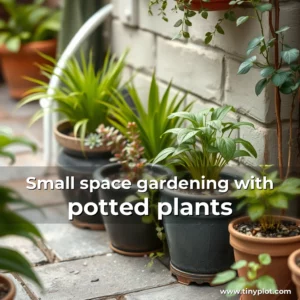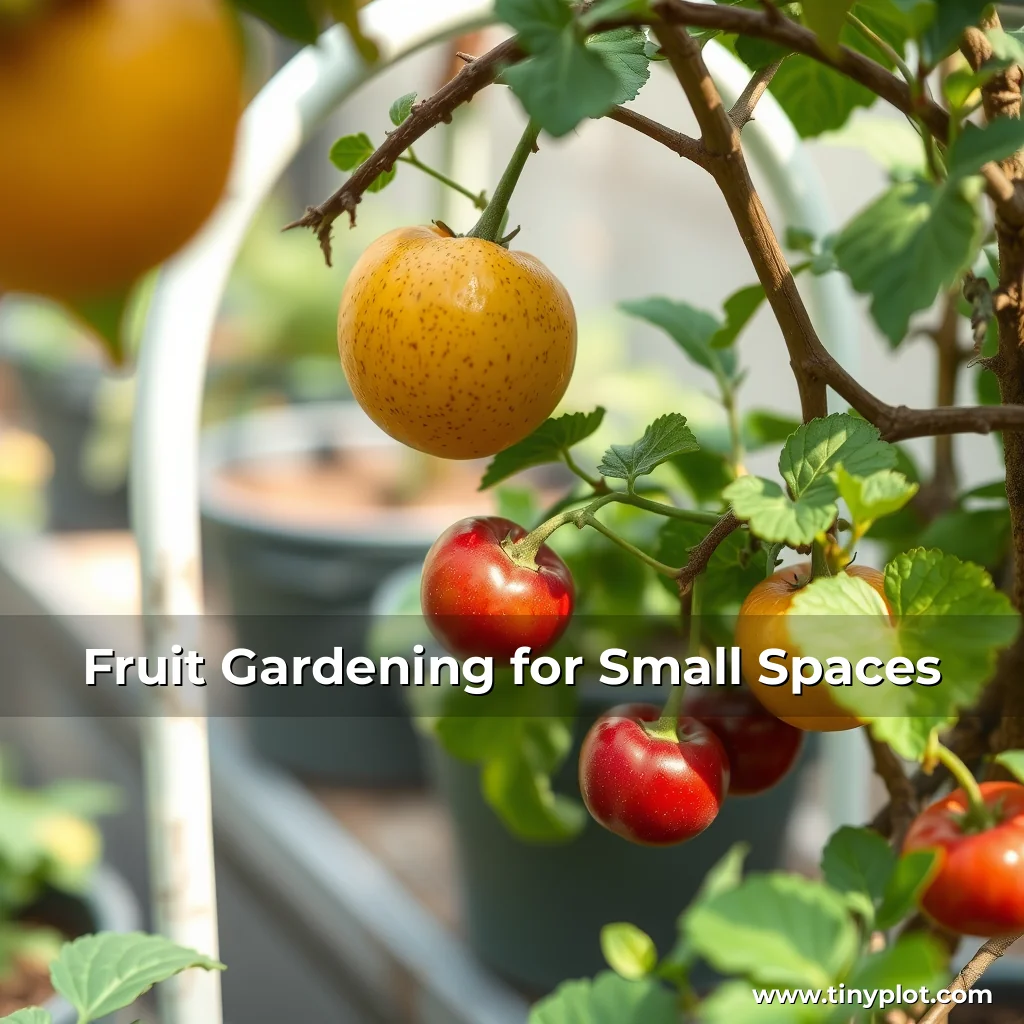
With the increasing popularity of urban gardening, many people are turning to small spaces to cultivate their own fruit trees. This approach not only provides a sustainable way to produce fresh produce but also offers a range of benefits, including cost savings and improved air quality.
Choosing the Right Varieties
When it comes to selecting the right varieties, there are several factors to consider. Dwarf and semi-dwarf trees are ideal for small spaces, as they produce abundant harvests without requiring a lot of space.
- Consider adding fruiting shrubs like blueberries to your plot, which combine decorative appeal with bountiful berry yields.
- Research your local climate to select types that will thrive in your region.
Try Container Gardening
Container gardening is a great way to maximize sunlight exposure and redesign your layout whenever needed. Select containers that are at least 45-60 cm deep to accommodate healthy root development.
- Choose high-quality ceramic or thick plastic pots for excellent insulation.
- Self-watering containers are particularly valuable, providing consistent moisture while reducing maintenance time.
Leverage Vertical Gardening Techniques
Think of your walls and fences as blank canvases waiting to burst with life. By leveraging vertical gardening techniques, you can transform these forgotten vertical spaces into living art.
| Technique | Description |
|---|---|
| Vertical training | Gently guide young, flexible trees as they grow, using soft ties and basic supports to create beautiful patterns. |
| Pruning | Regular pruning maintains the shape of your trees and allows light to reach every branch, leading to better fruit production. |
Ensure Optimal Sunlight and Airflow
Plants require six to eight hours of direct sunlight daily for optimal growth. Position them in south-facing locations whenever possible, and ensure adequate spacing to promote air movement and reduce the risk of disease.
Use Efficient Watering Methods
Proper hydration is essential for your trees’ health, particularly in small spaces. Test soil moisture regularly, and water deeply and thoroughly to reach the root zone.
- Drip systems can encourage fast growth while conserving resources.
- Collecting rainwater is a green solution that lowers utility costs.
Fertilise and Maintain Soil Health
Rich dirt supports rapid growth and abundant crops. Add organic matter through composting to enhance fertility and encourage beneficial microorganism activity.
- Create a seasonal feeding program based on growth patterns.
- Test your soil regularly to monitor its health.
Manage Pests and Diseases
Regular observation will help you identify and address problems before they affect your plants. Look out for common invaders like aphids, mites, and caterpillars, and use natural remedies like neem oil and insecticidal soap to control pests.
Prune Properly
Strategic trimming enhances fruit yields while maintaining your trees’ health. Start by removing dead or damaged branches, and then thin out developing fruit clusters in early spring.
Best Practices for Harvesting
Proper collection timing ensures optimal quality and taste. Use sharp tools to make clean cuts that protect both the produce and your trees.
- Timing and methods
- Extending your yield
- Maintaining consistency
Extending Your Yield
Planting varieties with different ripening periods ensures a continuous yield. Choose trees that mature early, mid-season, and later to stretch your harvest for months.
Maintaining Consistency
Overripe produce attracts pests and diseases, so make sure to pick ripe fruit right away to avoid these issues.
Conclusion
If you live in a flat or a small house, you don’t have to worry about the logistics of growing your own fruit trees anymore.