Gardening tips : Maximise your small kitchen garden space with herbs climbers and more
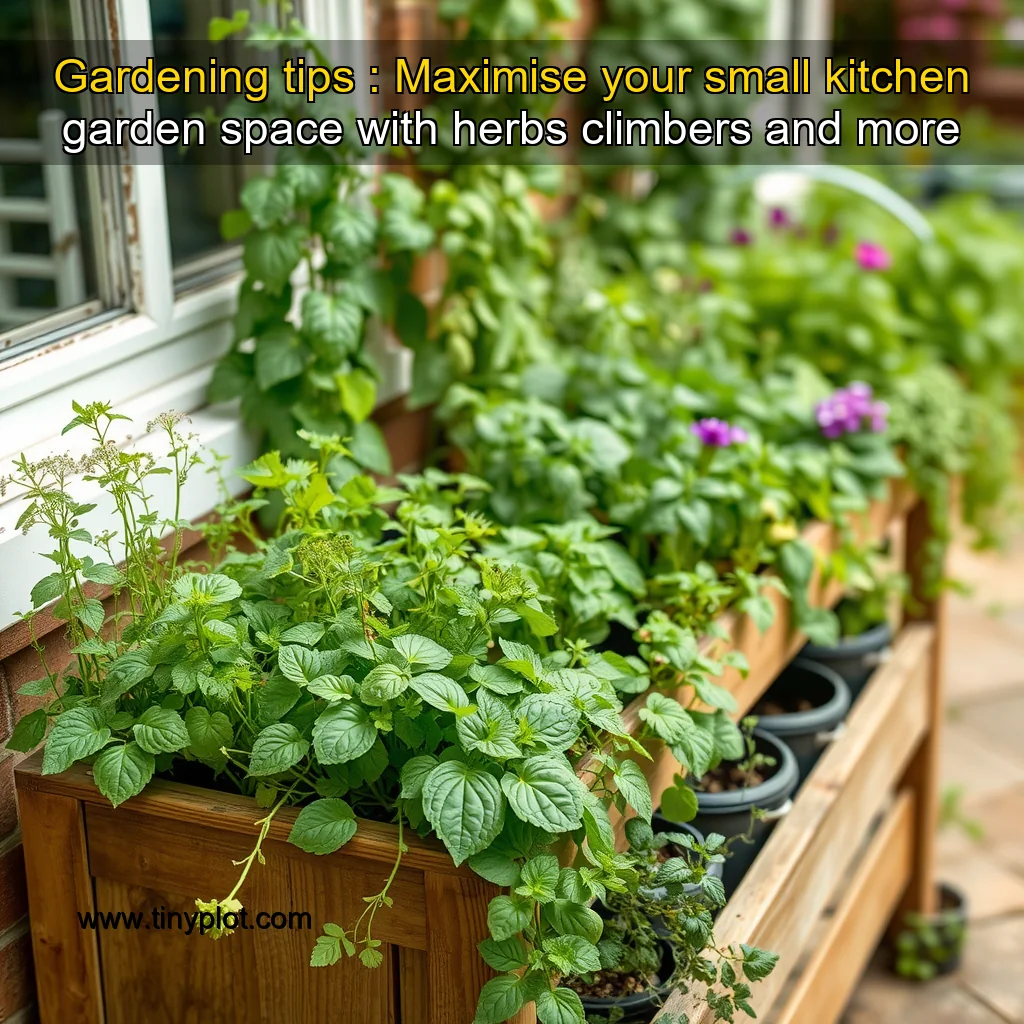
Space-Saving Tips for a Thriving Kitchen Garden
1. Choose the Right Location
When selecting a location for your kitchen garden, consider the amount of sunlight it receives. Most vegetables and fruits require at least 4-6 hours of direct sunlight per day. However, some plants like lettuce and herbs can thrive in partial shade. Consider the orientation of your kitchen window and the surrounding walls to maximize natural light. If you don’t have a window with direct sunlight, consider using grow lights to supplement the natural light.*
2. Select Space-Saving Varieties
Not all vegetables and fruits are created equal when it comes to space. Some varieties are bred specifically for compact growth and can thrive in small spaces. Look for varieties like:
3. Use Vertical Space
Make the most of your kitchen garden’s vertical space by using trellises, arbors, or wall-mounted planters. This will allow you to grow vining plants like peas, beans, and cucumbers, while keeping your floor space clear. Consider using a trellis or arbor to support climbing plants like peas and beans. Use wall-mounted planters to grow herbs and leafy greens. Utilize Shelf Space Maximize your kitchen garden’s shelf space by using stackable planters or shelves. This will allow you to grow a variety of plants, including herbs, leafy greens, and small fruits.
Types of Vertical Gardening Systems
There are several types of vertical gardening systems available, each with its unique features and benefits. * Trellises: These are simple, cost-effective, and easy to install.
Preparing Your Garden for Vegetables
Before planting your vegetables, it’s essential to prepare your garden. This includes clearing the area of any debris, weeds, or obstructions. You can use a garden fork or spade to loosen the soil and remove any unwanted growth. Additionally, you can use a rake to level the ground and create a smooth surface for planting.
Choosing the Right Vegetables
When selecting vegetables to plant, consider the climate and season. Choose vegetables that are suitable for your region and the time of year. Some vegetables, such as tomatoes and peppers, require a long growing season and should be planted in the spring or early summer.
This is because basil repels flies, mosquitoes, and aphids, which can all damage tomatoes. By planting basil near tomatoes, gardeners can reduce the need for pesticides and create a more balanced ecosystem in their garden.
The Benefits of Planting Basil with Tomatoes
Why Basil is a Natural Pest Repellent
Basil is a popular herb used in many cuisines, but its benefits extend beyond the kitchen. One of the most significant advantages of planting basil alongside tomatoes is its natural pest-repelling properties. Basil contains compounds that repel flies, mosquitoes, and aphids, which can all damage tomatoes. Flies are attracted to the sweet, fermented smell of tomatoes, but basil’s strong scent can overpower this attraction. Mosquitoes are also repelled by basil, which can help reduce the spread of diseases like malaria and Zika. Aphids, small sap-sucking insects, can weaken tomatoes and reduce their yield.