Expert Tips for Small Spaces
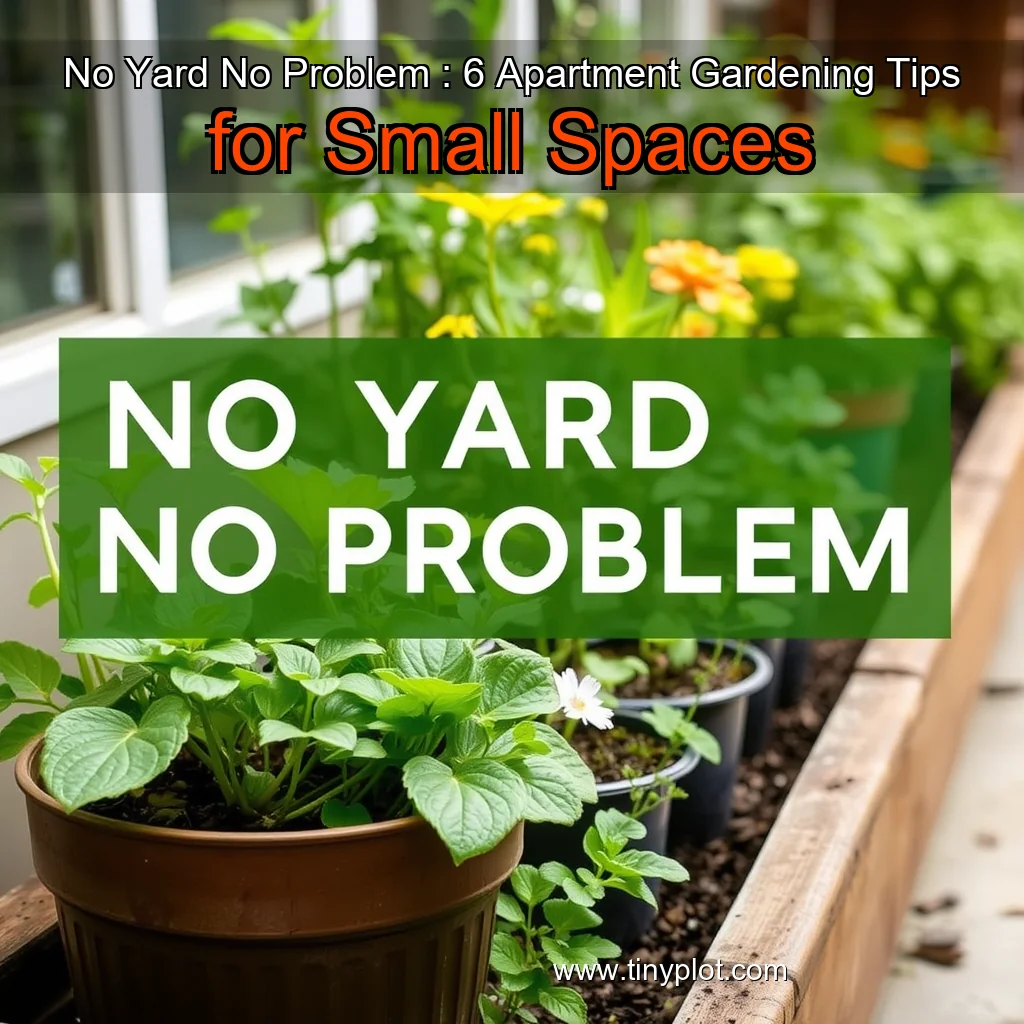
Growing plants in small spaces can be a challenge, but with the right techniques and plants, it’s definitely possible. Here are six expert tips to help you get started:
Choosing the Right Plants
Lighting Considerations
Humidity and Temperature
But, as they grow, they can become quite large and unruly. Pruning is essential to keep them looking their best.
Pruning for House Plants
Pruning is a crucial aspect of house plant care that is often overlooked. It’s not just about cutting off dead or dying leaves, but also about maintaining the plant’s shape, promoting healthy growth, and encouraging blooming.
Why Prune Your House Plants?
These plants are perfect for small spaces and can thrive in low-light conditions, making them ideal for apartments with limited natural light.
Small Space Plants for Apartments
Choosing the Right Plants
When selecting plants for small spaces, it’s essential to consider the plant’s growth habit and size. Look for plants with a narrower, upright growth habit that won’t overwhelm your space. Some popular options include:
These plants are perfect for small spaces and can thrive in low-light conditions, making them ideal for apartments with limited natural light.
Lighting Considerations
When it comes to lighting, it’s crucial to consider the specific lighting needs of your plants. Most plants require bright, indirect light to photosynthesize and grow. However, some plants can tolerate low light conditions, making them perfect for apartments with limited natural light. Snake plant and ZZ Plant can thrive in low-light conditions, making them ideal for apartments with limited natural light. Pothos and Peperomia can tolerate low light conditions, but may require more frequent watering.
Here are some of the plants that can be clustered together to create a beautiful and thriving indoor garden.
Creating a Thriving Indoor Garden with Hoyas and Other Plants
Hoyas are popular houseplants known for their stunning flowers and ability to thrive in low-maintenance conditions. When clustered together, they can create a beautiful and fragrant display that can elevate any room. In this article, we’ll explore the benefits of clustering plants together and provide some examples of plants that can be paired with Hoyas to create a stunning indoor garden.
Benefits of Clustering Plants Together
Clustering plants together can provide several benefits, including:
Overcrowding can lead to fungal diseases and pest infestations.
Creating a Humid Microclimate
Plants thrive in environments with optimal humidity levels. By clustering plants together, you can create a microclimate that fosters healthy growth and development.
The Power of Mirrors in Small Spaces
Mirrors can be a simple yet effective way to boost light in small spaces. By strategically placing mirrors, you can create the illusion of more space and make the most of the available light. This technique is particularly useful in apartments, condos, and other compact living spaces where natural light may be limited.
How Mirrors Work
Mirrors work by reflecting light, rather than absorbing it. When light hits a mirror, it bounces back, creating the illusion of more light in the space.
These devices are designed to be compact, energy-efficient, and easy to use, making them perfect for indoor spaces.
Getting Started with Hydroponic Gardens
If you’re new to hydroponic gardening, getting started can seem overwhelming.
Most plants prefer bright sunlight, but some can thrive in partial shade.
Choosing the Right Plants
When it comes to container gardening, the type of plants you choose is crucial. Here are some popular options: