
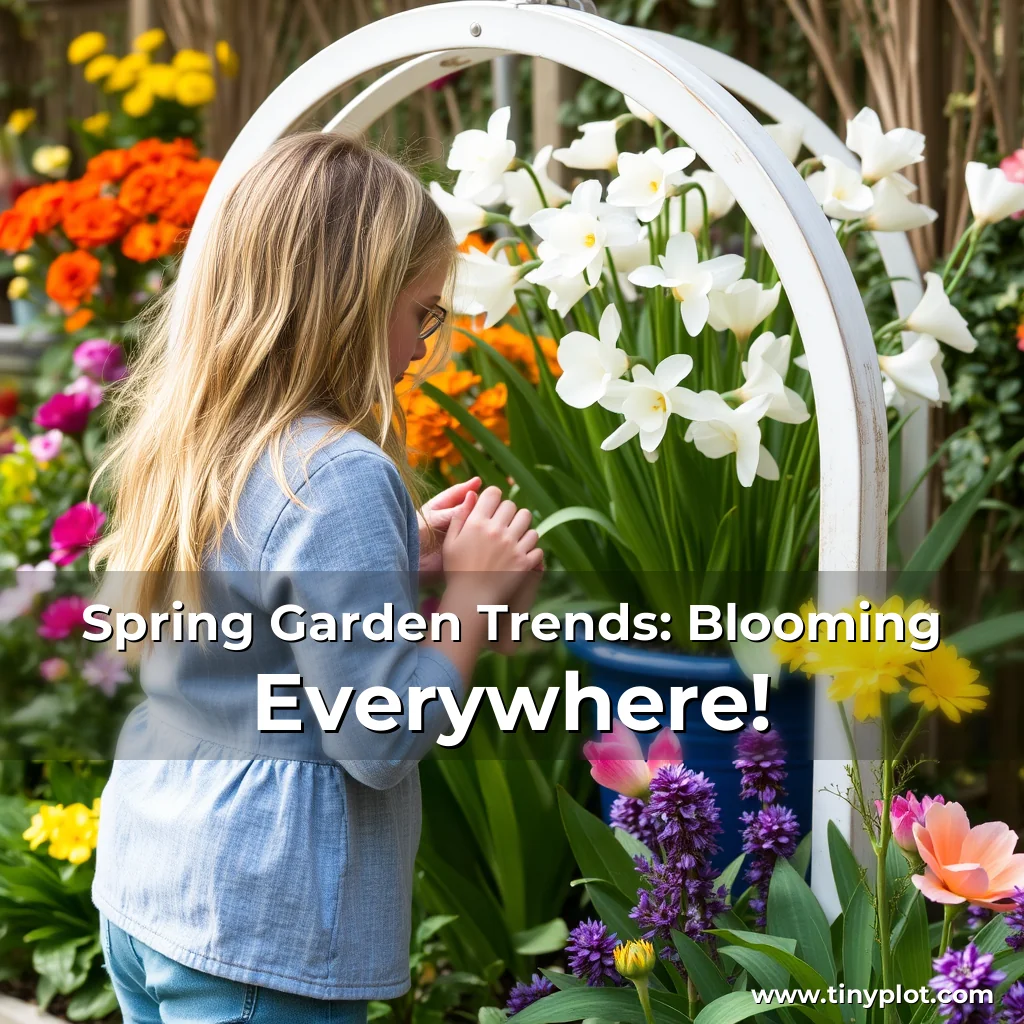
Here’s what’s in store for the natural gardening movement.
For example, a homeowner in California created a sanctuary garden in their backyard by incorporating native plants, a small pond, and a meandering stone path.
Planting for Biodiversity
Creating a Biodiverse Garden
Gardeners are increasingly seeking to create gardens that are not only visually appealing but also provide a habitat for a wide variety of plants and animals. This shift in focus is driven by a desire to reconnect with nature and promote biodiversity. • By incorporating native plants, gardeners can support local ecosystems and provide food and shelter for native wildlife. • A diverse range of plants can also help to attract pollinators, such as bees and butterflies, which are essential for plant reproduction.
Muted colors are calming and soothing, she explains. They can help reduce stress and anxiety.
Creating a Sanctuary Garden
A sanctuary garden is a space that provides a sense of calm and tranquility, often used as a retreat from the stresses of everyday life. It can be a small balcony or a large backyard, and its design should prioritize the creation of a peaceful atmosphere.
Incorporating Muted Colors
To create a sanctuary garden, incorporating muted colors is essential.
It’s a way to bring nature indoors and create a sense of calm and serenity.
The Benefits of Vertical Gardening
Vertical gardening is not just a stylish way to display plants; it also offers numerous benefits for the environment and the people who live in urban areas. Here are some of the advantages of vertical gardening:
How to Create a Vertical Garden
Creating a vertical garden is easier than you think. Here are some steps to get you started:
Choosing the Right Materials
When it comes to creating a vertical garden, the type of materials you use is crucial.
Pergola Design Ideas to Enhance Your Outdoor Space
Creating a Sense of Seclusion
Pergolas are often used to create a sense of seclusion and intimacy in outdoor spaces. By placing a pergola in a corner or against a wall, you can create a cozy nook that feels private and secluded from the rest of the yard.
The Benefits of All-Green Gardens
All-green gardens are a unique and captivating concept that has gained popularity in recent years. These gardens are characterized by the presence of evergreen plants, which provide a sense of stability and continuity throughout the seasons. Unlike traditional gardens that rely on flowering perennials to create a sense of change and renewal, all-green gardens maintain a steady and serene atmosphere.
The Importance of Pollinators in the Garden
Pollinators, such as bees, butterflies, and hummingbirds, play a vital role in maintaining the health and diversity of our gardens. These tiny creatures are responsible for pollinating the flowers, fruits, and vegetables that we rely on for food and sustenance.